
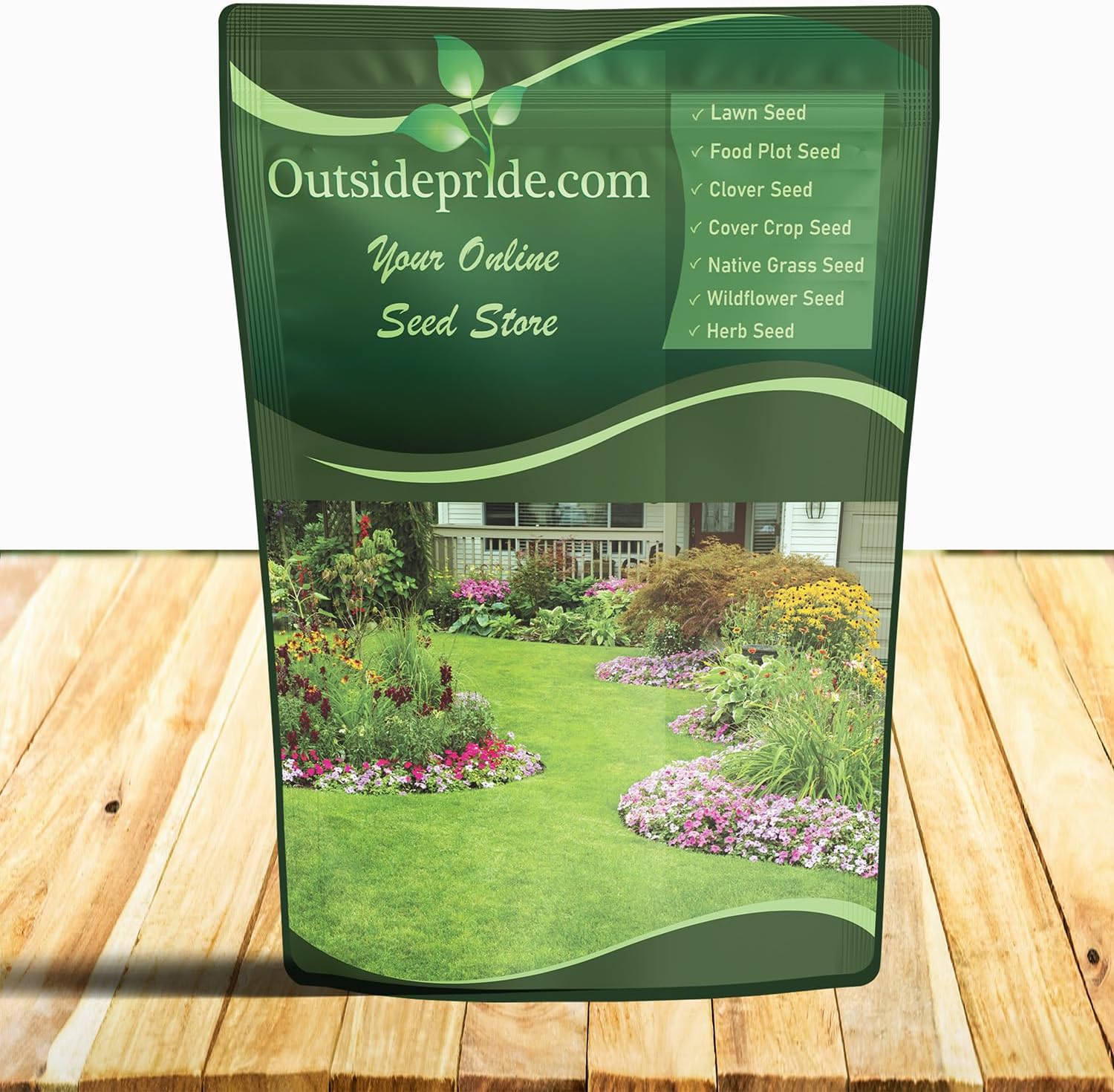
Outsidepride SPF-30 Hybrid Bluegrass
Buy on AmazonLast updated:
Quick Stats
- Cool Season
- Full Sun (6+ hours)
- 4, 5, 6, 7, 8
- 2-3 lbs per 1,000 sq ft
- 2.5-3 inches
Verify these figures against the current package before buying or applying.
What's in the Bag
- SPF-30 Texas Hybrid Bluegrass (SPF-30 / HB 128)100%
Percentages from a representative guaranteed-analysis label or manufacturer spec — exact numbers vary slightly by lot.
Public seller and spec-sheet sources describe SPF-30 as a Texas bluegrass x Kentucky bluegrass hybrid; verify the current lot tag for purity, germination, weed seed, coating, and test date.
The catalog does not verify the current composition — check the seed tag on your bag for the exact species and cultivar percentages, purity, weed seed, germination test date, lot, and net weight before relying on this panel.
Pros & Cons
Pros
- Standalone SPF-30, not just a tiny component in a mixed bag
- Hybrid identity is supported by Outsidepride, Twin City Seed, and spec-sheet sources
- Rhizomatous bluegrass growth can help turf knit back together after thinning or wear
- Good candidate for sunny Colorado Springs lawns with irrigation and fall establishment
- Amazon listing makes a true hybrid bluegrass easier to buy than specialty-only cultivars
Cons
- No public current lot seed tag for purity, germination, weed seed, or coating percentage
- Still a managed cool-season turfgrass, not a no-water xeriscape solution
- Shade claims should stay conservative; full sun is the safer use case
- Bluegrass establishment is slower and more water-sensitive than tall fescue
Catalog pros and cons are not presented as verified product facts. Check the current package and dated source notes before relying on a specific claim.
Fit to verify
Sunny Colorado, cool-season, and transition-zone lawns where you want true hybrid bluegrass genetics and are willing to irrigate during establishment and summer heat. — confirm against your own zone, sun, and soil conditions.
Yard-fit evidence
Supported evidence notes
These notes show only claims currently supported for human use. They do not establish current price, stock, package identity, or fit for your lawn.
Seed mix fingerprint
One blend, one job.
Formula shown as manufacturer-stated by weight. Verify the current seed tag for lot-specific details.
SPF-30 Texas Hybrid Bluegrass
Spread potential
Adds rhizome-based recovery potential, but usually asks for more maintenance and stronger site conditions than tall fescue.
What the current evidence supports
Each statement below comes from a receipt currently approved for positive human use. Scope and caveats still apply.
- The 1937 USDA Yearbook records George W. Oliver's Texas bluegrass x Kentucky bluegrass cross in 1908; 'about 90 years' is the rounded interval from that historical crossing to Reveille's 1998 release.
- The same peer-reviewed article identifies Reveille, released in 1998, as the first commercial Texas x Kentucky bluegrass hybrid.
- US Plant Patent PP21,045 records HB 128 as an F1 selection from Texas bluegrass plant 10-10 crossed with Geronimo Kentucky bluegrass.
The current package and site still decide
Retailer links are commerce exits, not agronomic evidence. Verify package identity, label details, and local fit independently.
- Cultivar names and whether they match any trial data you care about.
- Purity, weed seed, germination test date, and lot information.
- Current price, seller, bag size, and availability before checkout.
Checked against the manufacturer's listing.
Outsidepride SPF-30 Hybrid Bluegrass has 7 supported human receipts. Use only those bounded claims and verify the current package before acting.
View source notesThe 90-Year Lawn Experiment
SPF-30 connects to a documented Texas × Kentucky bluegrass pedigree, but seller identity is not independent performance proof.
Buy the cultivar, not the category: match its name to a trial, then read the current seed tag. Hybrid does not mean drought-proof.
Read the transcript
This lawn experiment took about ninety years to reach a seed bag.
More than a century ago, breeders began crossing Texas bluegrass with Kentucky bluegrass. But the idea stayed experimental for decades.
The first commercial hybrid, Reveille, did not arrive until 1998.
Another named hybrid, HB 128, has a documented pedigree: Texas bluegrass plant 10-10 crossed with Geronimo Kentucky bluegrass. Sellers now identify it as SPF-30.
Here is the twist. Hybrid does not mean drought-proof. Rutgers, Kansas State, and Colorado State show that results change with the cultivar, trial, and outcome measured: performance during drought, or recovery after.
So buy the cultivar, not the category. Match its name to a trial, then read the current seed tag.
Grass has lore. Follow for the next chapter.
Identity before performance
Texas Hybrid Bluegrass Guide
Separate the hybrid category, named cultivar, exact trial, retail product, site conditions, and current seed label before transferring any performance claim.
Read the evidence-driven guideDecision Notes
What this page can establish
The catalog identifies Outsidepride SPF-30 Hybrid Bluegrass and links to source notes where available. It does not establish a current seed tag, lot, seller, price, availability, NTEP result, or product performance in your yard.
Verify before choosing
- - Match the current package contents and application rate to the exact SKU.
- - Check cultivar names against relevant trials only when the identity matches.
- - Confirm local species fit with extension guidance and your site conditions.
- - Confirm seller, bag size, price, and availability at checkout.
Other options to compare
These are comparison links, not ranked substitutes or fit recommendations.
Our Notes
Outsidepride SPF-30 is the cleanest way to buy true hybrid bluegrass on Amazon right now. Unlike fescue blends that tuck a small hybrid-bluegrass component into the bag, this listing is built around SPF-30 itself: a named Texas hybrid bluegrass also described by Twin City Seed as HB 128, a sister line to Thermal Blue.
That matters for a Colorado Springs lawn because the goal is not just generic Kentucky bluegrass. CSU Extension's Colorado guidance says Kentucky x Texas hybrid bluegrasses can bring deeper roots, aggressive rhizomes, heat tolerance, and wear recovery compared with ordinary bluegrass, while also warning that cultivar performance varies and the research base is still thinner than for standard KBG. SPF-30 fits that promising category, but it is not a magic low-water native grass.
Use this where you want a managed, irrigated, full-sun cool-season lawn with better summer-stress odds than ordinary Kentucky bluegrass. For Logan's Colorado Springs Zone 6a use case, this is the most interesting Amazon buy: plausible for a sunny front or back lawn with irrigation, fall seeding, soil prep, and realistic watering during establishment. It is not the pick for an unirrigated xeriscape conversion; buffalograss or a native prairie mix owns that lane.
The missing piece is a current lot seed tag. Public sources support the SPF-30 hybrid identity, but they do not show purity, germination percentage, weed seed, inert/coating percentage, test date, or lot number for the bag you will receive. Treat the listing as a strong product-identity match and still inspect the seed tag when it arrives.
Editorial catalog notes — not lab-tested results; verify current label facts.
Where to Buy
Commerce links only. Verify the exact item, seller, package, price, and availability on the retailer page.
Explore similar productsCommunity evidence limit
No synthesized testimonial is presented for this product. Community reports may identify questions or recurring patterns, but they do not establish product quality, value, current package identity, performance, or fit without an attributable source and matching evidence.
Pairs Well With
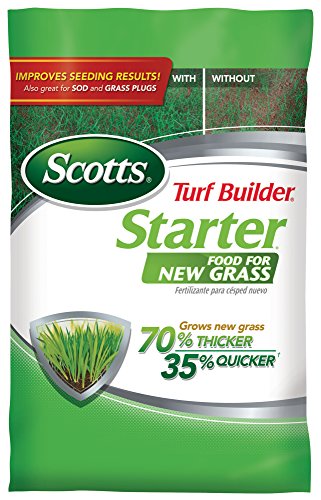 Fertilizer
Product fit is unverified here. Open the evidence notes and confirm the current package for your site and intended use.
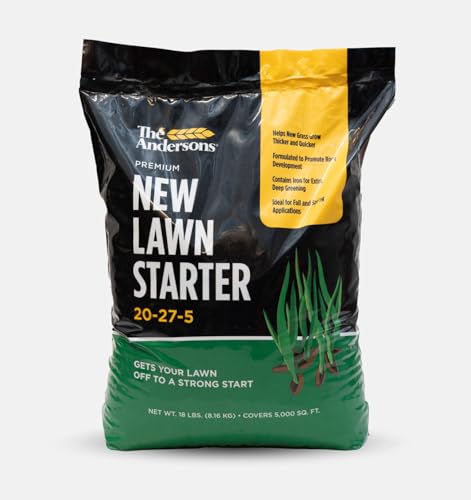 Fertilizer
The Andersons
The Andersons Starter Fertilizer 18-24-12
Product fit is unverified here. Open the evidence notes and confirm the current package for your site and intended use.
Similar Products
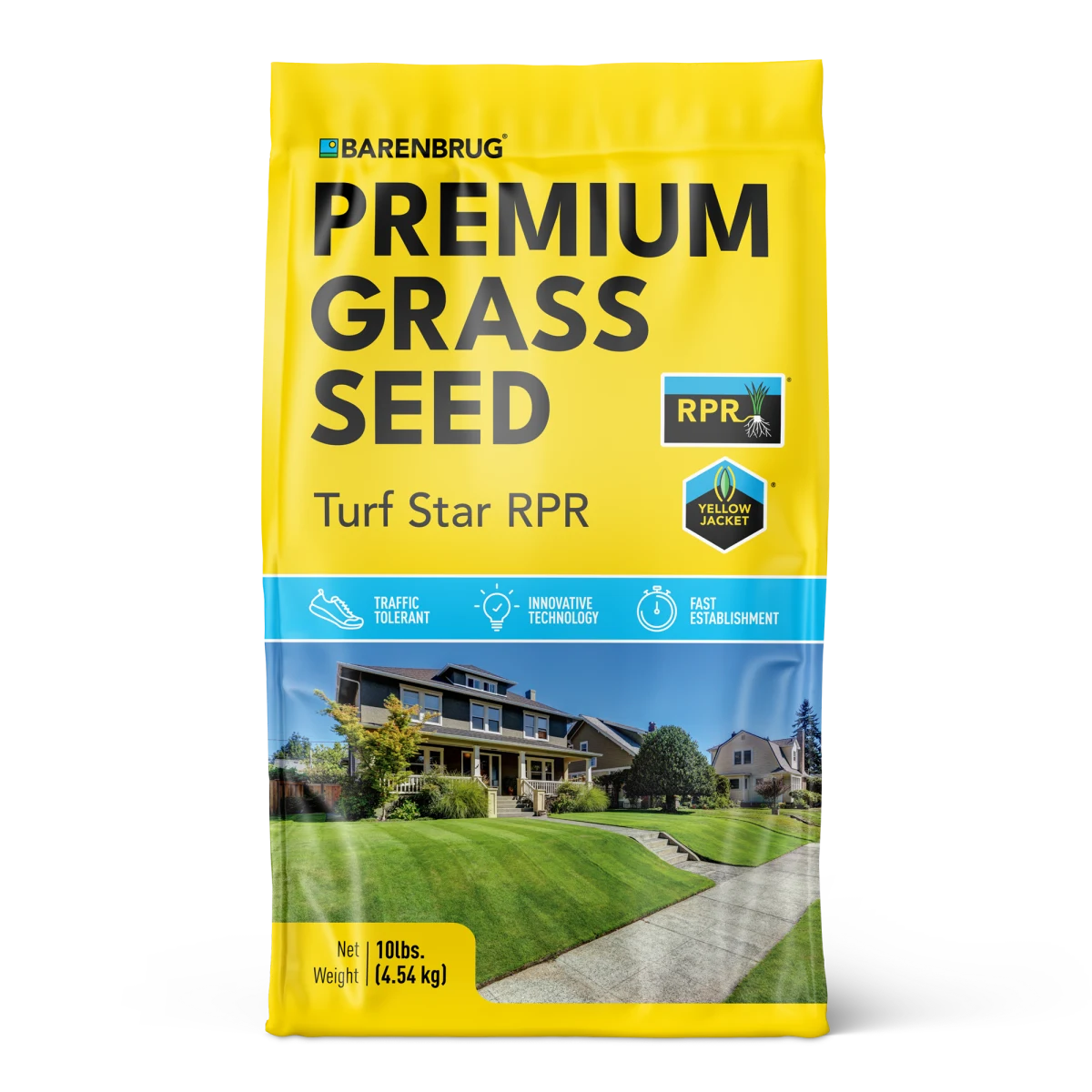 Grass Seed
Barenbrug
Barenbrug Turf Star RPR
Product fit is unverified here. Open the evidence notes and confirm the current package for your site and intended use.
 Grass Seed
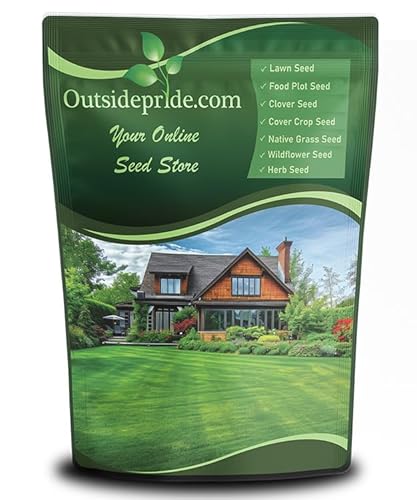
Outsidepride
Outsidepride Midnight Kentucky Bluegrass
Product fit is unverified here. Open the evidence notes and confirm the current package for your site and intended use.
 Grass Seed
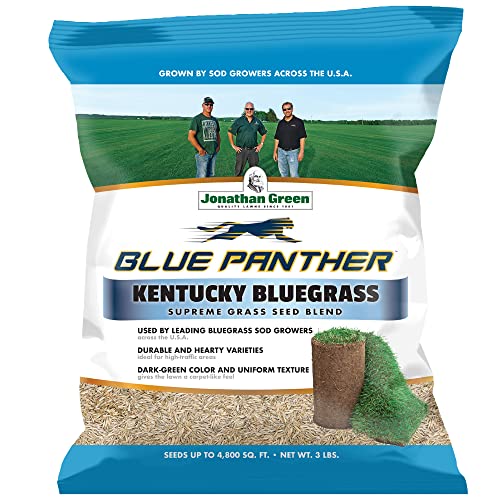
Jonathan Green
Jonathan Green Blue Panther Kentucky Bluegrass
Product fit is unverified here. Open the evidence notes and confirm the current package for your site and intended use.