

Outsidepride Midnight Kentucky Bluegrass
Consider Midnight for a sunny bluegrass lawn when you can give slow-starting seed the time and care it needs.
- A good fit for
- A named Kentucky bluegrass choice for a mostly sunny, maintained cool-season lawn.
- The tradeoff
- Slow germination and regular care. Shade or a low-input lawn can call for a different grass.
We may earn a commission from purchases through our links. How this works
Buy on AmazonResearch-based review · Updated
One named bluegrass, with a spreading habit
- In the bag
- Outsidepride identifies Midnight Kentucky bluegrass with OptiGrowth coating. Read the delivered tag for lot composition.[1][6]
- In the lawn
- Kentucky bluegrass spreads through underground rhizomes; the same habit can carry it into nearby beds.[3]
Read about identity and recovery
Midnight answers a specific shopping question: which named Kentucky bluegrass am I buying? Outsidepride identifies this product as Midnight with OptiGrowth coating. That is more useful than an unnamed bluegrass listing, but the name alone does not tell you the purity or germination of the bag delivered to your door. Check those on its seed analysis tag. The coating also means total bag weight and grass-seed weight are different things to examine.
Kentucky bluegrass makes underground stems called rhizomes. Colorado State describes this sod-forming habit and the species' ability to recover after wear. For the buyer, the attraction is a connected lawn that can fill gaps as it grows. That is an established-lawn trait; it does not make a freshly seeded patch immediately ready for foot traffic. The same spreading habit can also take grass into adjacent planting beds.
A single named variety is a deliberate choice, not an automatic upgrade over every blend. Minnesota Extension distinguishes a blend of varieties within one species from a mixture of different species, and cautions that single-variety lawns can be more vulnerable to pest and disease problems. Buy Midnight because you want that identity and bluegrass growth habit. Consider a blend or mixture if variety is part of your risk-management plan.[1][3][2][6]
Choose by sunlight and summer expectations
- Sunny, maintained lawn
- The species offers dense turf and recovery, with water, mowing and fertility work to support it.[3][2]
- Shade is the main problem
- Kentucky bluegrass has poor-to-fair shade tolerance in CSU guidance. Change the grass choice rather than repeat a failing planting.[3][5]
- Summer green is essential
- Kansas State distinguishes drought survival through dormancy from irrigation that maintains green color.[4]
Read the regional fit tradeoffs
Start with the site, not the cultivar reputation. Outsidepride's planting guide specifies full sun. Colorado State rates Kentucky bluegrass shade tolerance as poor to fair, so an increasingly shaded lawn is a reason to reconsider the species before ordering another bag. A sunny front yard and the shaded strip beside a house need not receive the same seed.
The summer decision is equally important: do you want green grass through dry weather, or will you tolerate dormancy? Kansas State explains that Kentucky bluegrass can survive hot, dry periods by becoming dormant and brown. Keeping it green in Kansas calls for more water than many other local turfgrasses. Survival during drought and a green summer appearance are different outcomes, so neither a drought-tolerance label nor a dark-color photograph answers the irrigation question for you.
For a Colorado lawn, CSU's guidance also highlights thatch, disease, insects and greater nitrogen demand as costs of the species' dense turf. Those are reasons to plan maintenance, not reasons to assume every lawn will suffer every problem. For colder Minnesota sites, use the local selection guidance; for a hot transition-zone yard, consult local extension advice before translating a northern bluegrass recommendation to your climate.[1][3][4][2]
Work out pounds from the project rate
- 2,000 sq ft new turf: 4–6 lb
- Calculated from Outsidepride’s 2–3 lb per 1,000 sq ft.[1]
- 2,000 sq ft overseeding: 2–3 lb
- Calculated from Outsidepride’s 1–1.5 lb per 1,000 sq ft.[1]
- 5 lb, new turf
- About 1,667–2,500 sq ft at the published new-turf range.[1]
- 5 lb, overseeding
- About 3,333–5,000 sq ft at the published overseeding range.[1]
Read the coverage calculation and coating limits
Outsidepride publishes 2–3 pounds per 1,000 square feet for new turf and 1–1.5 pounds per 1,000 square feet for broadcast overseeding. Measure the area you are actually seeding, then apply the rate for that job. A bare renovation is not the same quantity calculation as adding seed to established turf.
For example, a 2,000-square-foot new lawn takes 4–6 pounds at that published range. The same area under the overseeding range takes 2–3 pounds. A 5-pound bag therefore represents about 1,667–2,500 square feet of new turf, or about 3,333–5,000 square feet of overseeding. These are arithmetic planning ranges, not guaranteed coverage or a prediction of successful plants. Follow the directions on the matching bag if they differ.
The range matters enough that a single maximum-coverage number would obscure the decision. We also do not convert this coated product into pure live seed pounds without a current tag. UMass explains that purity describes seed weight and germination describes the proportion capable of growth under test conditions. Both are needed to interpret usable seed; bag weight alone cannot supply them.[1][6]
Leave room for a slow start
Prepare the site
Identify the cause of thinning and create seed-to-soil contact before spreading more seed.[5]
Choose the local window
Outsidepride specifies 55°F-plus soil and at least eight weeks before first frost for fall planting.[1]
Keep the seedbed moist
Water lightly enough to keep the surface slightly damp until the slowest seed has germinated.[5]
Read the timing and establishment guidance
Bluegrass asks for patience during the period when a seeded lawn looks least convincing. Outsidepride's current planting-guide panel lists average germination at 12–35 days, while its prose describes roughly three weeks. Minnesota's renovation guidance gives Kentucky bluegrass two to three weeks. These are different published expectations, not a deadline by which every seed in your lawn must emerge. Moisture, temperature and seedbed conditions still matter.
For planting time, Outsidepride specifies soil temperatures of at least 55°F in spring and a minimum eight weeks before first frost for fall planting. Minnesota Extension's preferred renovation window is mid-August to mid-September, with early spring second. That regional window is useful for Minnesota readers; it is not a nationwide calendar. Work back from your local season with enough room for the slow seed to develop.
Before sowing, work out why the lawn thinned. UMN points to shade, compaction, mowing, drought, fertility and pests among possible causes. Prepare a seedbed with contact between seed and soil, distribute the seed evenly, and keep the surface slightly damp rather than saturated. Continue care through the slower germination period. If overseeding, manage the existing grass so it does not shade out the seedlings. First sprouts, the first mow and a lawn ready for regular use are separate milestones.[1][5]
Mow for a home lawn, not a marketing promise
- Height before frequency
- Choose a locally suitable cut; do not treat the manufacturer’s separate 0.5-inch claim as a universal lawn setting.[1][4]
- Growth before calendar
- Mow often enough to remove no more than one-third of the foliage at a time.[4]
- Summer color costs water
- Kansas State describes a choice between irrigation for green color and brown summer dormancy.[4]
- Test before adding nutrients
- Minnesota renovation guidance ties additional phosphorus and potassium to a soil test.[5]
Read the mowing and ongoing-care details
The current Outsidepride page contains two different mowing recommendations: its planting panel says 2.5–3 inches, while older-style prose on the same page says 0.5–2 inches. We would not use the lowest figure as a general home-lawn target. Kansas State's homeowner guidance recommends 2–3 inches and warns that mowing too low encourages weeds. Use locally appropriate lawn guidance and the current package rather than treating a close-mowing claim as an instruction.
The practical habit is to mow often enough that you are not removing more than one-third of the leaf at once. Kansas State links a higher cut with deeper rooting and describes how water requirements change by season. Its approximately 1.5 inches per week for summer green color is a hot-weather Kansas reference, not an automatic weekly irrigation schedule for every state.
Fertilizer decisions also depend on the lawn you want and the soil beneath it. Kansas State distinguishes lower- and higher-input lawns, while Minnesota renovation guidance ties additional phosphorus and potassium to a soil test. Use those local recommendations to make a maintenance plan. A dense bluegrass lawn is appealing, but seed selection does not remove the need to respond to rainfall, growth and soil conditions.[1][4][5]
Check the bag before you commit the whole lawn
The tag is where a named product becomes a specific seed lot. UMass advises retaining the seller and lot information so a supplier can trace a problem or help with a repeat order. Read the variety name, purity, germination and test date together. A germination percentage is a laboratory result under favorable conditions, not a promise that the same proportion will establish in your yard.
Also inspect the other-crop, weed-seed, noxious-weed and inert-matter entries. A front-of-bag cultivar name does not replace those rows. For this coated Midnight product, do not assume the whole package weight is grass seed, and do not infer a current coating percentage from another package or an older photograph.
If you are comparing cultivar trial results, use local data with a stated test year and management setting, as Minnesota Extension recommends. This review does not turn the Midnight name into a national ranking. For your buying decision, the useful checks are more direct: does Kentucky bluegrass suit the lawn, can you support its establishment and maintenance, and does the actual tag describe the seed you intended to buy?[6][1][2]
When to choose something else
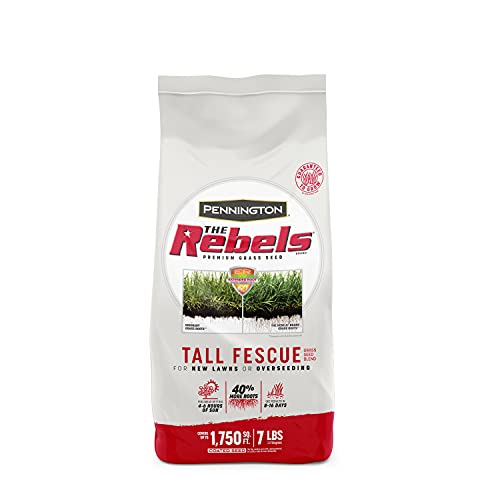
Pennington The Rebels Tall Fescue Mix
Compare The Rebels if you prefer a turf-type tall fescue blend and have partial shade: Pennington specifies 4–6 hours of sun. Expect a different growth habit; worn gaps may need reseeding.
Sources & research notes
This review draws on published product information and grass-selection guidance. We have not conducted a hands-on trial of this product. Species guidance helps explain the choice; it is not a trial of the bag you buy.
- Outsidepride: Midnight Kentucky Bluegrass planting guide
Read 2026-09-23
- University of Minnesota Extension: buying turfgrass seed
Read 2026-09-23
- Colorado State University Extension: turfgrass species selection
Read 2026-09-23
- Kansas State Extension: Kentucky bluegrass lawns
Read 2026-09-23
- University of Minnesota Extension: renovating a lawn
Read 2026-09-23
- UMass Extension: understanding the turfgrass seed label
Read 2026-09-23
- Pennington: The Rebels Tall Fescue Grass Seed Blend
Read 2026-09-23
Ready to compare the bag?
Check the package size and seed tag before ordering.