
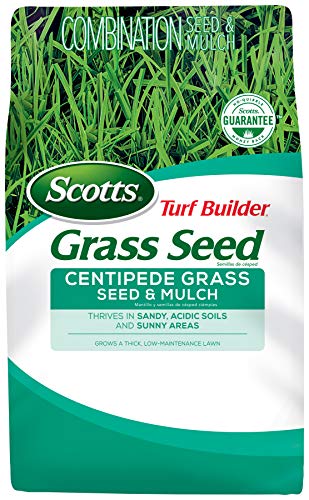
Scotts Turf Builder Centipede Grass Seed & Mulch
Buy on AmazonLast updated:
Quick Stats
- Warm Season
- Partial Shade (4-6 hours)
- 7, 8, 9
- Apply at 0.25-0.5 lbs per 1,000 sq ft — very low seeding rate
- 1-2 inches
Verify these figures against the current package before buying or applying.
What's in the Bag
- Centipedegrass (Eremochloa ophiuroides)on seed tag
Species listed from catalog and manufacturer sources. Exact percentages print on each lot’s seed tag rather than the listing.
Combination product — the bag includes mulch and/or fertilizer, so seed is only part of the bag weight.
The catalog does not verify the current composition — check the seed tag on your bag for the exact species and cultivar percentages, purity, weed seed, germination test date, lot, and net weight before relying on this panel.
Pros & Cons
Pros
- Lowest maintenance warm-season grass — needs less fertilizer, mowing, and water than bermuda or zoysia
- Thrives in poor, sandy, low-pH coastal Southeast soils where other grasses struggle
- Built-in mulch improves germination in the loose, sandy soils typical of centipede range
- Dense low-growing canopy suppresses weeds without heavy herbicide programs
- Right product for the right region: Carolinas, Georgia, Gulf Coast zones 7-9
Cons
- Geographically restricted — not suitable outside zones 7-9 coastal Southeast
- Cannot handle heavy foot traffic — not a lawn for kids and dogs
- Extremely sensitive to over-fertilization — applying standard rates of nitrogen kills it (centipede decline)
Catalog pros and cons are not presented as verified product facts. Check the current package and dated source notes before relying on a specific claim.
Fit to verify
Southeast coastal plain homeowners in zones 7-9 with sandy, low-pH soil who want the absolute minimum-maintenance warm-season lawn. — confirm against your own zone, sun, and soil conditions.
Decision Notes
What this page can establish
The catalog identifies Scotts Turf Builder Centipede Grass Seed & Mulch and links to source notes where available. It does not establish a current seed tag, lot, seller, price, availability, NTEP result, or product performance in your yard.
Verify before choosing
- - Match the current package contents and application rate to the exact SKU.
- - Check cultivar names against relevant trials only when the identity matches.
- - Confirm local species fit with extension guidance and your site conditions.
- - Confirm seller, bag size, price, and availability at checkout.
Other options to compare
These are comparison links, not ranked substitutes or fit recommendations.
Our Notes
Centipede grass is a niche within a niche: it's the right grass for a specific geography (Southeast coastal plain, zones 7-9), a specific soil type (sandy, low-pH, low-fertility), and a specific homeowner mindset (absolute minimum inputs). If you're in the Carolinas, Georgia, the Gulf Coast, or similar coastal South environments, centipede is worth serious consideration. For everyone else, stop reading here — this is not your grass.
Centipede's core advantage is input requirements. It thrives in poor, infertile soil that would starve bermuda or zoysia. It needs less fertilizer, less mowing, and less irrigation than any other warm-season grass. The tradeoff: it grows slowly, goes dormant brown in winter, can't handle heavy foot traffic, and will die from over-fertilization (centipede decline syndrome is a real problem from applying too much nitrogen).
Scotts' Centipede Seed & Mulch formulation uses the standard common centipede variety with a built-in mulch layer for germination support. The TifBlair cultivar (an NTEP-evaluated centipede) is the genetic gold standard for centipede grass, but Scotts' common centipede formulation is more widely available, more affordable, and performs adequately for most residential applications.
BSR 10,963 reflects the niche nature of this product — centipede is genuinely not for most of the country. If you're in the right zone with the right soil, the low-maintenance payoff is real.
Editorial catalog notes — not lab-tested results; verify current label facts.
Where to Buy
Commerce links only. Verify the exact item, seller, package, price, and availability on the retailer page.
Community evidence limit
No synthesized testimonial is presented for this product. Community reports may identify questions or recurring patterns, but they do not establish product quality, value, current package identity, performance, or fit without an attributable source and matching evidence.
Seeding Calculator
Catalog rate: Apply at 0.25-0.5 lbs per 1,000 sq ft — very low seeding rate. Verify the current label before using this estimate.
Pairs Well With
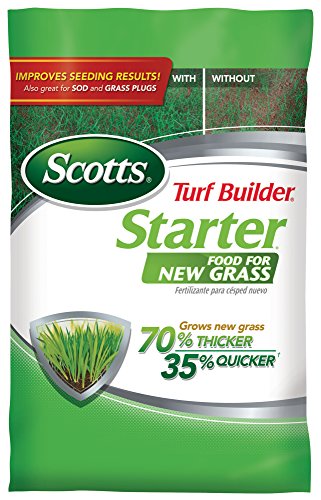 Fertilizer
Product fit is unverified here. Open the evidence notes and confirm the current package for your site and intended use.
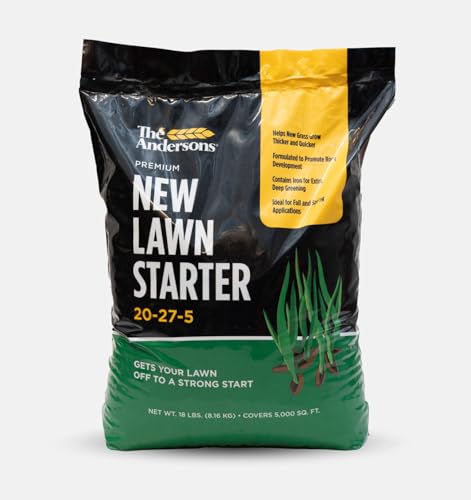 Fertilizer
The Andersons
The Andersons Starter Fertilizer 18-24-12
Product fit is unverified here. Open the evidence notes and confirm the current package for your site and intended use.
Similar Products
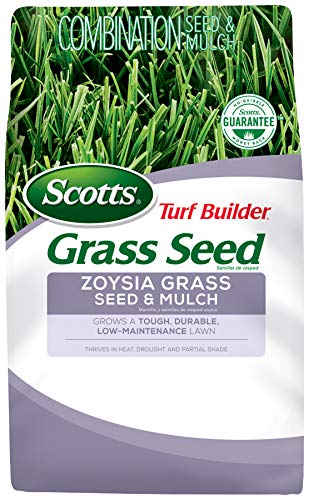 Grass Seed
Product fit is unverified here. Open the evidence notes and confirm the current package for your site and intended use.
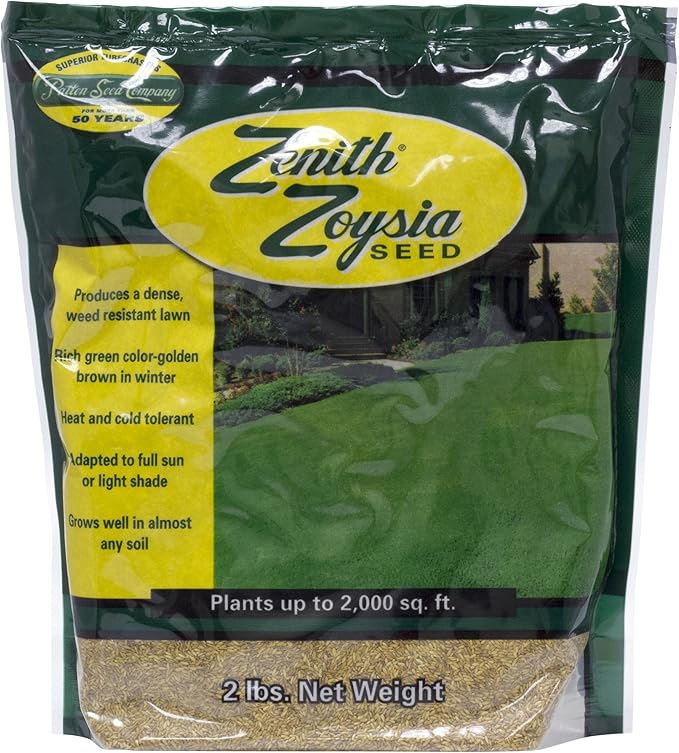 Grass Seed
Product fit is unverified here. Open the evidence notes and confirm the current package for your site and intended use.
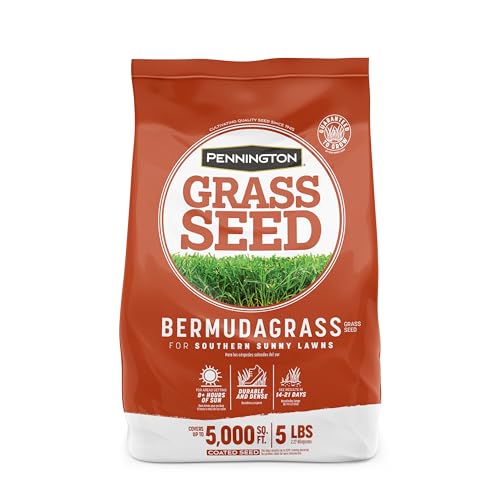 Grass Seed
Pennington
Pennington Smart Seed Bermudagrass
Product fit is unverified here. Open the evidence notes and confirm the current package for your site and intended use.