
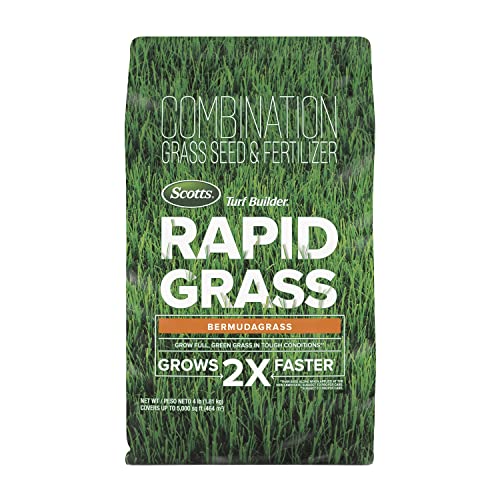
Scotts Turf Builder Rapid Grass Bermudagrass
Buy on AmazonLast updated:
Quick Stats
- Warm Season
- Full Sun (6+ hours)
- 7, 8, 9, 10
- Apply at 3 lbs per 1,000 sq ft
- 0.5-2 inches
Verify these figures against the current package before buying or applying.
What's in the Bag
- Bermudagrass (common)on seed tag
Species listed from catalog and manufacturer sources. Exact percentages print on each lot’s seed tag rather than the listing.
Combination product — the bag includes mulch and/or fertilizer, so seed is only part of the bag weight.
The catalog does not verify the current composition — check the seed tag on your bag for the exact species and cultivar percentages, purity, weed seed, germination test date, lot, and net weight before relying on this panel.
Pros & Cons
Pros
- Nitrogen coating accelerates germination versus bare bermuda seed
- Reduces the establishment window — important when working within bermuda's narrow seasonal window
- Works well for bare-spot repair in existing bermuda lawns
- Handles summer heat and drought once established
- BSR 2,103 — strong market validation in the bermuda seed category
Cons
- Same bermuda limitations: winter dormancy, aggressive spreading, full sun only
- More expensive per pound than bare bermuda seed
- Still requires soil temperatures above 65°F — coating doesn't override biology
Catalog pros and cons are not presented as verified product facts. Check the current package and dated source notes before relying on a specific claim.
Fit to verify
Warm-season zones 7-10 where you need bermuda establishment on a compressed timeline — new lawns or bare-spot repair in an existing bermuda stand. — confirm against your own zone, sun, and soil conditions.
Decision Notes
What this page can establish
The catalog identifies Scotts Turf Builder Rapid Grass Bermudagrass and links to source notes where available. It does not establish a current seed tag, lot, seller, price, availability, NTEP result, or product performance in your yard.
Verify before choosing
- - Match the current package contents and application rate to the exact SKU.
- - Check cultivar names against relevant trials only when the identity matches.
- - Confirm local species fit with extension guidance and your site conditions.
- - Confirm seller, bag size, price, and availability at checkout.
Other options to compare
These are comparison links, not ranked substitutes or fit recommendations.
Our Notes
Scotts Rapid Grass Bermudagrass is the bermuda bag for a narrow window: warm soil, full sun, and a buyer who needs coverage faster than bare seed usually delivers. Scotts positions the product around bermuda seed plus fertilizer, and the official guidance puts planting in spring or early summer when daytime temperatures are consistently 70-90 F. That timing matters more than the word Rapid.
Pick it over Pennington Smart Seed Bermudagrass when the project is time-sensitive and the Scotts coverage math works at the store price. Pick Pennington when cost per pound is better and you are not racing the calendar. Pick zoysia instead when partial shade or lower mowing matters. Pick tall fescue instead in cool-season or transition-zone lawns where winter-brown dormancy is a dealbreaker.
The most common mistake is using Rapid Grass as a magic patch product in the wrong lawn. Bermuda is aggressive and visible. It belongs in existing bermuda or in a full conversion, not as a random patch in fescue, KBG, St. Augustine, or zoysia. At the local data rate of 3 lbs per 1,000 sq ft, a 5 lb bag is roughly 1,700 sq ft for new seeding; check the current price before buying, since the seed-only cost per 1,000 sq ft runs above bulk bermuda seed once you add starter fertilizer, soil prep, and water. Do not apply weed control until seedlings have been mowed enough to tolerate it.
Editorial catalog notes — not lab-tested results; verify current label facts.
Where to Buy
Commerce links only. Verify the exact item, seller, package, price, and availability on the retailer page.
Community evidence limit
No synthesized testimonial is presented for this product. Community reports may identify questions or recurring patterns, but they do not establish product quality, value, current package identity, performance, or fit without an attributable source and matching evidence.
Seeding Calculator
Catalog rate: Apply at 3 lbs per 1,000 sq ft. Verify the current label before using this estimate.
Pairs Well With
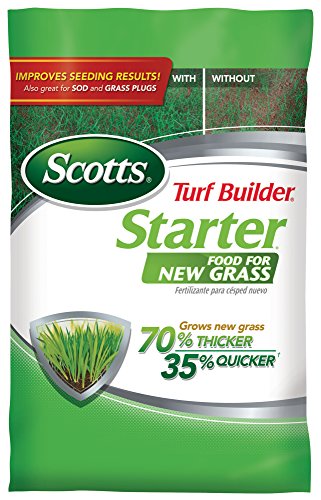 Fertilizer
Product fit is unverified here. Open the evidence notes and confirm the current package for your site and intended use.
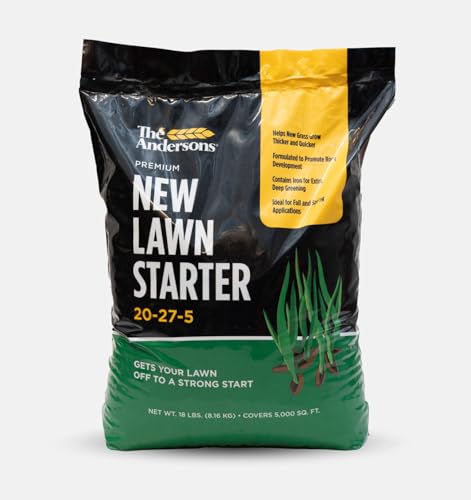 Fertilizer
The Andersons
The Andersons Starter Fertilizer 18-24-12
Product fit is unverified here. Open the evidence notes and confirm the current package for your site and intended use.
Similar Products
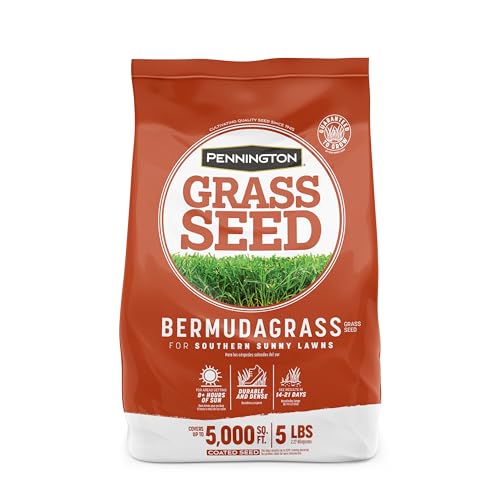 Grass Seed
Pennington
Pennington Smart Seed Bermudagrass
Product fit is unverified here. Open the evidence notes and confirm the current package for your site and intended use.
 Grass Seed
Product fit is unverified here. Open the evidence notes and confirm the current package for your site and intended use.
 Grass Seed
Product fit is unverified here. Open the evidence notes and confirm the current package for your site and intended use.