
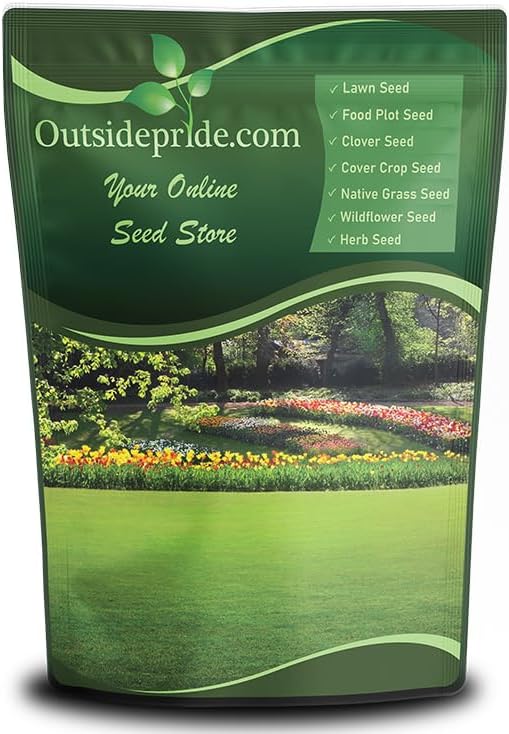
Outsidepride Creeping Red Fescue
Choose it for a fine-textured, lower-input lawn area where cool conditions and lighter use make shade tolerance valuable.
- A good fit for
- Cool-climate lawn areas with some shade, modest wear and a preference for fine leaves and lower fertility.
- The tradeoff
- Slow repair after traffic, heat stress and a finer texture than neighboring tall fescue or bluegrass.
We may earn a commission from purchases through our links. How this works
Buy on AmazonResearch-based review · Updated
Raw seed, with the current bag supplying the cultivar answer
Outsidepride's current product page describes pure, raw creeping red fescue seed. It does not describe this product as an OptiGrowth-coated mixture. That matters when comparing bag weights: a raw-seed product and a coated or combination lawn product are different formats, so their pounds and coverage figures should not be treated as interchangeable.
The page lists Reverent, Zeal, Class One and/or Chantilly. That wording identifies possible cultivars, not a guarantee that a delivered bag contains all four or a particular ratio. Read the seed analysis for the actual cultivar names, percentages by weight, germination result and test date. The manufacturer's purity and weed-seed claims are useful purchasing leads, but a website statement is not a substitute for the lot tag in your hands.
This is also a species-focused choice rather than a complete answer to every part of a mixed yard. Minnesota Extension distinguishes blends of varieties within a species from mixtures containing different species and generally favors mixtures for home lawns. Buying creeping red fescue makes sense when you specifically want its fine texture and site tolerance, or when it is a deliberate part of a broader lawn plan.[1][4][2]
Creeping means rhizomes, not instant repair
- What spreads
- Underground rhizomes gradually help fill thin areas.[1]
- What takes time
- Fine fescues mature and recover from traffic injury slowly.[6]
Read how the creeping habit affects lawn use
The spreading mechanism is underground rhizomes. Outsidepride describes slow lateral growth that helps fill thin areas. That is different from a bunch-forming grass, but the word creeping should not be read as a promise that worn dog paths or repeated games will quickly heal.
Colorado State's fine-fescue guidance makes the distinction clear: these grasses can germinate relatively quickly while maturing slowly, and recovery from traffic injury is slow. It considers them unsuitable for high-traffic areas. Outsidepride's own specification panel rates wear tolerance low. A spreading grass can therefore still be the wrong choice for a heavily used lawn.
Think of the benefit as gradual knitting within a suitable stand. The narrow leaves contribute a fine texture that can look quite different beside coarser tall fescue. Before filling an isolated patch, consider the grass around it and the way the area will be used. A successful patch should match the site's needs, not merely put something green in a bare spot.[1][6][2]
Match shade tolerance with a cool-season site
Creeping red fescue is a cool-season grass adapted to cool, temperate conditions. Outsidepride lists full sun to partial shade, and Minnesota Extension identifies strong creeping red and Chewings fescues as especially tolerant of tree shade within the fine-fescue group. The same guidance says fine fescues do poorly in extreme heat. Shade tolerance is valuable, but it does not erase temperature or moisture limits.
Use the sunny portions of the yard in the decision too. A cool northern site with some shade is different from a hot, exposed summer lawn. Colorado State warns that fine fescues may become dormant during extended heat in the 90s. Dormancy is not evidence that an extra fertilizer application will restore active growth under unsuitable conditions.
The manufacturer prefers well-drained soil and notes that creeping red needs more moisture than hard or sheep fescue. Minnesota likewise identifies hard fescue as the most drought-tolerant fine fescue. If reduced irrigation is the primary goal, compare fine-fescue types rather than assuming they all behave alike. Under trees, diagnose the light, moisture and competition problem before expecting a new seed choice to solve the entire site.[1][6][2][3]
Use the planting-rate range, not just a bag headline
- 5 lb, new lawn
- About 1,000–1,250 sq ft at 4–5 lb per 1,000 sq ft.[1]
- 5 lb, overseeding
- About 2,000–2,500 sq ft at 2–2.5 lb per 1,000 sq ft.[1]
- 2,000 sq ft, new lawn
- Plan 8–10 lb before any separately chosen allowance.[1]
- 2,000 sq ft, overseeding
- Plan 4–5 lb at the published overseeding rate.[1]
Read the rate ranges and conflicting calculator
Outsidepride's FAQ gives four to five pounds per 1,000 square feet for new turf and two to two and a half pounds for overseeding. On that basis, five pounds covers about 1,000–1,250 square feet of new lawn or 2,000–2,500 square feet for overseeding. A measured 2,000-square-foot job takes eight to ten pounds when starting new, or four to five pounds when overseeding.
There is a discrepancy on the same product page: its embedded calculator shows 150–200 square feet per pound, while the FAQ's new-lawn rate converts to 200–250. We use the clearly labeled FAQ rate ranges for the examples here and advise checking the instructions on the supplied bag before spreading. We do not collapse the conflicting figures into a single automatic recommendation.
Measure only the surface you intend to seed, excluding paths, beds and other unplanted areas. New-lawn and overseeding rates answer different jobs; using the lighter rate on bare soil is not the same plan. If adding this species to existing grass, first decide whether the texture and use requirements are compatible rather than choosing solely because a bag appears to cover more area.[1][2]
Establish it shallowly and keep the surface moist
Prepare
Diagnose the site and create exposed soil contact where seed will land.[3]
Sow shallowly
The manufacturer specifies surface to 1/8 inch planting depth.[1]
Support seedlings
Keep the surface damp; the listed germination window is 14–21 days.[1][3]
Read the planting window and establishment steps
The product's planting panel calls for soil temperatures of at least 55°F and a planting window that leaves roughly eight weeks before the first frost. In Minnesota, Extension favors mid-August to mid-September for lawn renovation, with early spring second best. Treat those dates as regional guidance; the useful general principle is to establish cool-season seedlings in suitable conditions with time to grow before severe weather.
Prepare soil contact rather than scattering seed over thick thatch. Minnesota's renovation guidance starts with diagnosing the lawn, soil testing and correcting problems such as compaction. Outsidepride calls for surface planting to about an eighth of an inch deep. Distribute the measured amount evenly and avoid burying small seed under a thick layer of soil.
Water lightly and often enough to keep the surface damp without making it waterlogged. The manufacturer lists 14–21 days for germination; that is an emergence range, not a promise of a dense, usable lawn by the third week. Continue establishment care as seedlings develop. Slow maturation and slow traffic recovery are reasons to protect the new area instead of judging success only by the first green shoots.[1][3][6]
Keep the maintenance plan suited to fine fescue
Lower input does not mean no attention. Colorado State says fine fescues prefer low nitrogen fertility; Minnesota describes reduced mowing, watering and fertilizer needs and advises avoiding mowing during summer heat. Respond to the grass and weather rather than importing a feeding schedule intended for a more demanding lawn.
Outsidepride lists a maintained mowing height of two to two and a half inches. It also describes use on banks where the grass can lay over instead of receiving regular mowing. Those are different visual objectives. Decide whether you want a maintained lawn or a looser landscape cover, and account for Colorado State's warning that fine-fescue leaves can lay down and be difficult to cut neatly.
For a cooler lawn that must tolerate more wear, compare a regionally suitable turf-type tall fescue such as The Rebels. Minnesota describes tall fescue as heat- and traffic-tolerant, while Pennington positions The Rebels as a turf-type tall fescue blend. The trade is a different texture and maintenance choice. Creeping red fescue remains most compelling where its fine leaves, shade tolerance and lower fertility fit the actual use of the space.[1][6][2][5]
When to choose something else
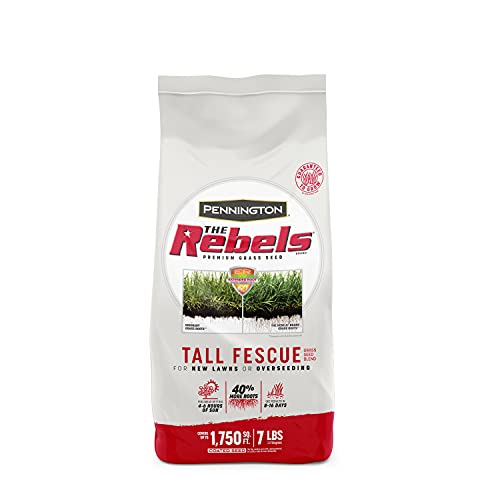
Pennington The Rebels Tall Fescue Mix
Compare The Rebels turf-type tall fescue where greater traffic tolerance matters and tall fescue suits the region. It brings a different texture from fine fescue.
Sources & research notes
This review draws on published product information and grass-selection guidance. We have not conducted a hands-on trial of this product. Species guidance helps explain the choice; it is not a trial of the bag you buy.
- Outsidepride: Creeping Red Fescue product and planting guide
Read 2026-09-23
- University of Minnesota Extension: buying turfgrass seed
Read 2026-09-23
- University of Minnesota Extension: renovating a lawn
Read 2026-09-23
- UMass Extension: understanding the turfgrass seed label
Read 2026-09-23
- Pennington: The Rebels Tall Fescue Grass Seed Blend
Read 2026-09-23
- Colorado State Extension: fine fescue species guidance
Read 2026-09-23
Ready to compare the bag?
Check the package size and seed tag before ordering.