
Fall seeding kit
Pre-germination setup
Thickening a lawn that is still alive
Soaking seed before it goes down, for growers working close to the end of the window. This kit describes the process and the equipment it needs. It does not claim a specific number of days saved — no dated source in this site's evidence set supports one.
Use this kit when
- Before your seeding window opens
- Inside your primary seeding window
- At the late edge of your window
Not sure which of those describes you? Check your fall seeding window.
What being in this kit does and does not mean
An item is here because of the job it does in this project. That is not proof it fits your yard and not a performance claim. Before you order anything, verify the exact product name, the package you are actually buying, the seed tag or guaranteed analysis, and the seller on the retailer page.
What this kit is made of
The retailer links below are affiliate links, and this site may earn a commission when you buy through one. Being in a kit is not proof that an item fits your yard or performs a certain way — confirm the product name, package, seed tag, and seller on the retailer page before you order.
Required
The project does not work without these.
- Buy on AmazonRequiredPennington
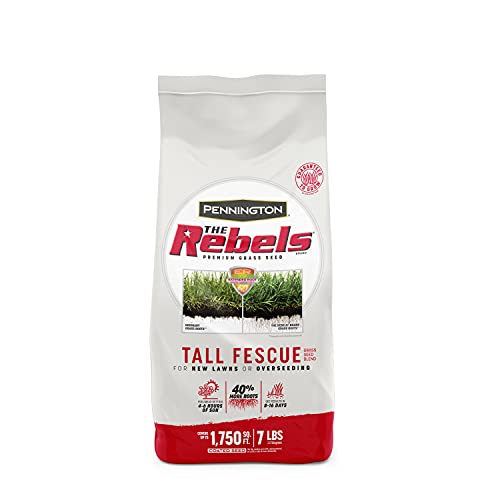
Pennington The Rebels Tall Fescue Mix
The seed being pre-soaked. Read the bag and confirm the species suit your area before buying.
Alternatives: Scotts Turf Builder Rapid Grass Tall Fescue Mix, Jonathan Green Black Beauty Ultra
- Buy on AmazonRequiredRubbermaid
Rubbermaid Roughneck Storage Box (10 Gallon)
The container the seed soaks in. Ten gallons leaves room to stir a bag of seed through the water rather than packing it down, and the snap-on lid keeps the tote covered between stirs. Without a soaking vessel there is no pre-germination step.
- Buy on AmazonRequiredChapin
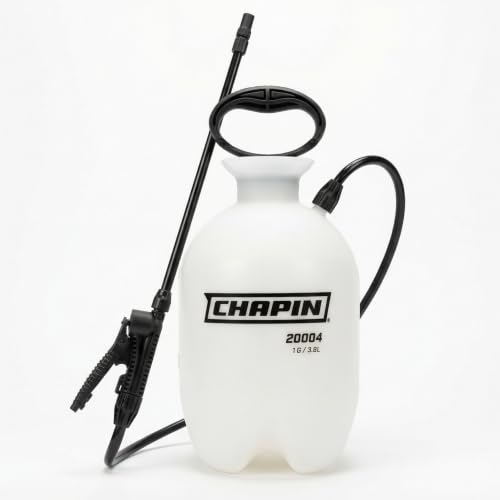
Chapin 20004 1-Gallon Pump Sprayer
Applies water to the seedbed in a fine, even pattern, which matters most in the first days after pre-soaked seed goes down.
Alternatives: Field King 190328 Backpack Sprayer (4 Gallon)
Optional
These improve the odds. They are not load-bearing.
- Buy on AmazonOptionalScotts
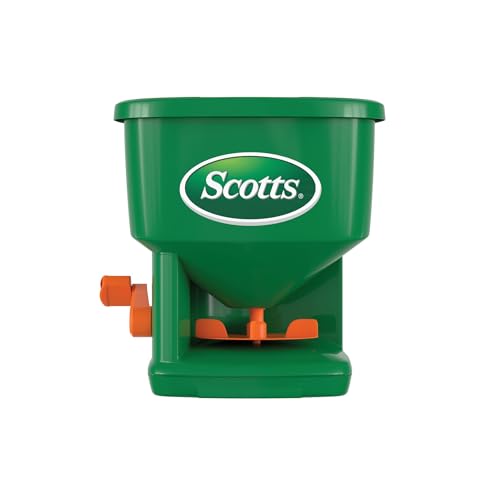
Scotts Whirl Hand-Powered Spreader
Pre-soaked seed is heavier and clumps more than dry seed, so a hand spreader gives more control than a hopper.
Alternatives: Scotts Turf Builder EdgeGuard DLX Broadcast Spreader
- Buy on AmazonOptionalSmartChoice
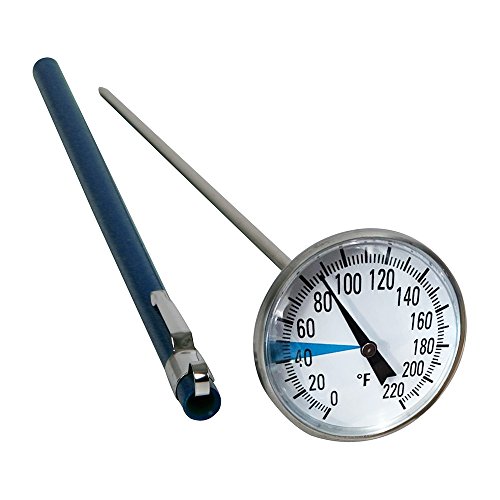
Smart Choice Stainless Steel Soil Thermometer
Reads soil temperature at seed depth on a 5-inch stem rather than air temperature. This kit is aimed at growers working close to the end of the window, and soil temperature is the number that decision turns on.
- Buy on AmazonOptionalScotts
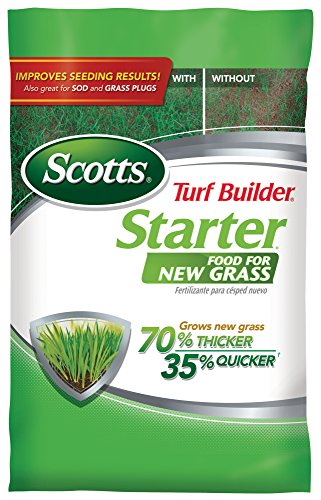
Scotts Turf Builder Starter Food for New Grass
Starter fertilizer supplies phosphorus, which seedlings use for root development.
Alternatives: The Andersons New Lawn Starter 20-27-5
Read before you start
Why these projects are timed to fall
These sources support the broad principles this page reasons from, and the specific regional examples they are named against. They are not a forecast and not a reading of your yard. Extension guidance is written for a particular state or region, so a document from one state supports the principle rather than your local timing. The last call belongs to conditions on the ground where you are and to the label on the product you actually buy.
University Extension · AY-20: Seeding a Turf Area in the Spring — Purdue University Extension
Zac Reicher and Clark Throssell, Purdue University Turfgrass Specialists. Supports the site's core fall-versus-spring stance in the source's own words: the best time to seed a lawn is in the fall, mid-August to mid-September, and seeding in spring is very difficult and often unsuccessful. It then lists the narrow circumstances that do warrant a spring seeding, such as winter damage or poor recovery from a previous year's problems. Also the definition this site uses for dormant seeding — seed put down before the frost leaves the ground, lying dormant until soil temperatures warm in spring, with winter heaving and cracking opening crevices that improve seed-to-soil contact. In Indiana the publication puts that practice anywhere from late November through March. Supports the concept and Indiana's own timing; it is not a procedure for another state.
University Extension · Lawn Establishment — Penn State Extension
Carries a 2025 revision date. Supports why the fall window is worth protecting rather than merely convenient: cool-season seeding can run from mid-spring to early fall, but late summer is the optimum in most areas of Pennsylvania, because a late-summer seeding gets two cool growing seasons — that fall and the following spring — to establish, while a spring seeding is driven straight into summer heat and drought. Also notes that weed pressure is lower than in spring, and that higher seeding rates are sometimes used past the optimum late-summer window precisely because cold temperatures reduce germination. That last point is the agronomic reason a late seeding is a worse bet rather than simply a later one.
University Extension · Lawn care calendar — University of Minnesota Extension
Reviewed in 2024. Supports the underlying reason fall is the cool-season window rather than a preference: these grasses grow rapidly in spring and fall and go inactive through summer heat and drought, so autumn is when shoot growth resumes and nutrients are stored in the roots for winter. Gives the temperature ranges that make the window a biological one — optimal shoot growth at air temperatures in the mid-fifties to mid-seventies Fahrenheit, and cool-season root growth stimulated above freezing soil temperature and optimal in the low-fifties to mid-sixties. Its Minnesota calendar lists seeding as best from early August to late September, with a separate mid-November entry for dormant seeding. Supports the seasonal principle and Minnesota's own dates only; it is not evidence for any other state.